
Many students finish high school without knowing what they’re good at or what they want to do in the future. Yet the pressure to pick a career starts almost immediately. Too often, students are asked to make these life-shaping decisions without the real-world experience to know if it’s a fit.
Classrooms play an essential role in learning, but they rarely offer real-world context. What if we could expose the next generation to a variety of vocations, career paths, callings, and capabilities before they even graduate high school — and before they’ve committed time, money, and identity to a single direction?
That’s the idea behind EPIC, which stands for Employer Provided Innovation Challenges.
The program provides high school students with early, hands-on exposure to real-world work and offers a new way of thinking about education.
Discovering what they really want to be when they grow up
It’s one thing to picture yourself as a farmer, a physician, or in any other profession. It’s another to experience what such a career is actually like.
EPIC bridges that gap.
The program brings employers together with students to foster communication, build relationships, and help students understand the pathways to potential careers. Students gain clarity and confidence, while employers build early relationships with emerging talent. It’s a win-win.
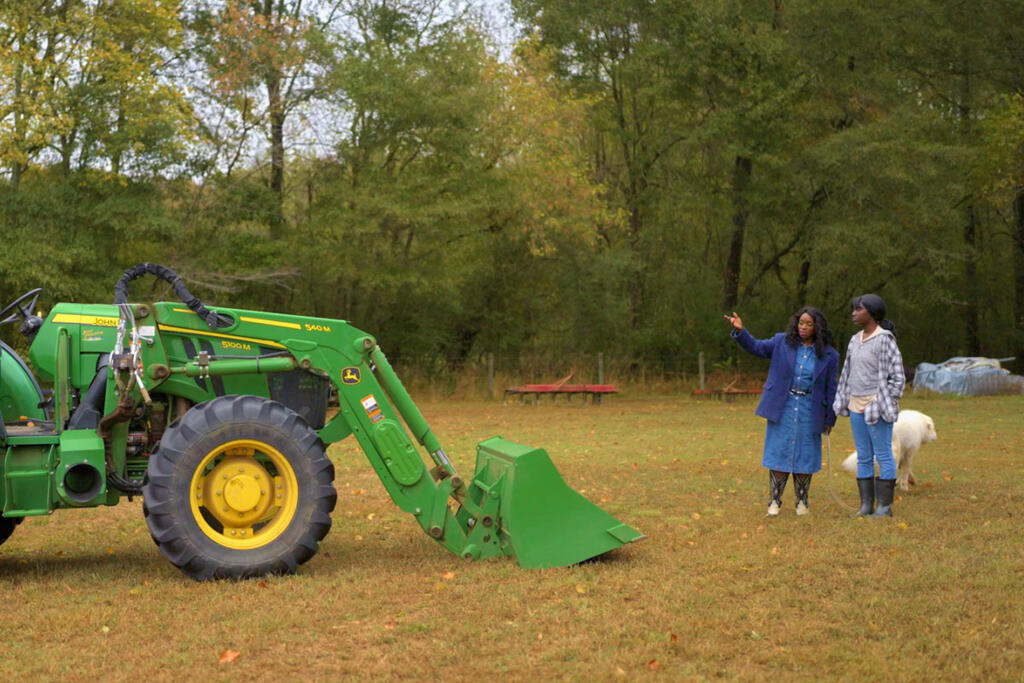
Employers struggling to access the top-tier talent they need create challenge-based learning experiences grounded in the issues facing their businesses. EPIC students are then immersed in those businesses and tasked with developing practical, workable solutions to the existing challenges.
They’re able to experience the work firsthand and determine if a similar career might be right for them — before they commit to college, vocational training, or other post-high school paths.
“By partnering with industry professionals, you get that job context to help you understand what you want to do,” said Philip Gibson, executive director of Georgia Life Sciences Institute, one of EPIC’s employer partners. “That’s why we’re putting our resources and time and effort into this — because it matters.”
For employers, the value goes beyond mentorship. It’s a way to identify motivated young people early and reduce some of the guesswork in hiring.
Chasing sheep to confirm a career path
Hillery Goodgame is a sheep farmer and owner of Blue Heron Urban Farms & Sanctuary in Chattahoochee Hills, Georgia. Recently, she invited a cohort of EPIC students interested in food production to work alongside her and experience the day-to-day challenges of running a farm, plus the fundamental challenge of doing it profitably.
Taylor Jean, an EPIC student who’s interested in being a farmer one day, was among them. She said one of the problems they had to address immediately was inventory loss, as sheep can escape or be killed by predators.
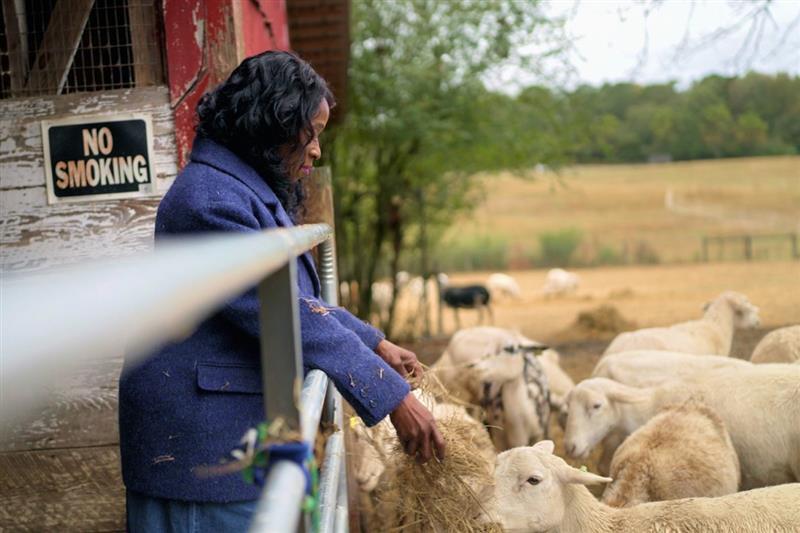
“The first time we went to the farm, we were supposed to go feed the sheep, but we ended up chasing the sheep around because her fence kept breaking,” Jean said.
This firsthand observation led the students to propose a real-world solution: installing solar-powered cameras on trees so Goodgame could monitor her sheep remotely.
“It gave us better vigilance, so that we could be better stewards — not only of the animals, but also of the property,” Goodgame said.
The result was a win-win. Goodgame gained an effective solution to a pressing problem, while the students developed a deeper understanding of the skills needed to run a small business and learned what life as a farmer is really like.
“You’re in it. You’re doing all the work,” Jean said. “You could see how things are put into practice. Being hands-on is like, ‘OK, I know what I’m working towards.’ I love the freedom to explore and be myself.”
Sign up for Stand Together's K-12 newsletter and get stories, ideas, and advice from changemakers who are transforming education across the country.
Teaching what classrooms can’t
EPIC isn’t just about career readiness. It also cultivates skill development and empowerment — intangibles not easily taught in a classroom.
“What I saw was for them to have the realization that no matter what they chose to study, they could be empowered to make career choices in order to make a contribution to their world,” Goodgame said.
Jean said while classroom learning can be hypothetical, with the EPIC program, you can see how things are put into practice. “It’s important to know why we’re learning this and what this could be used for.”
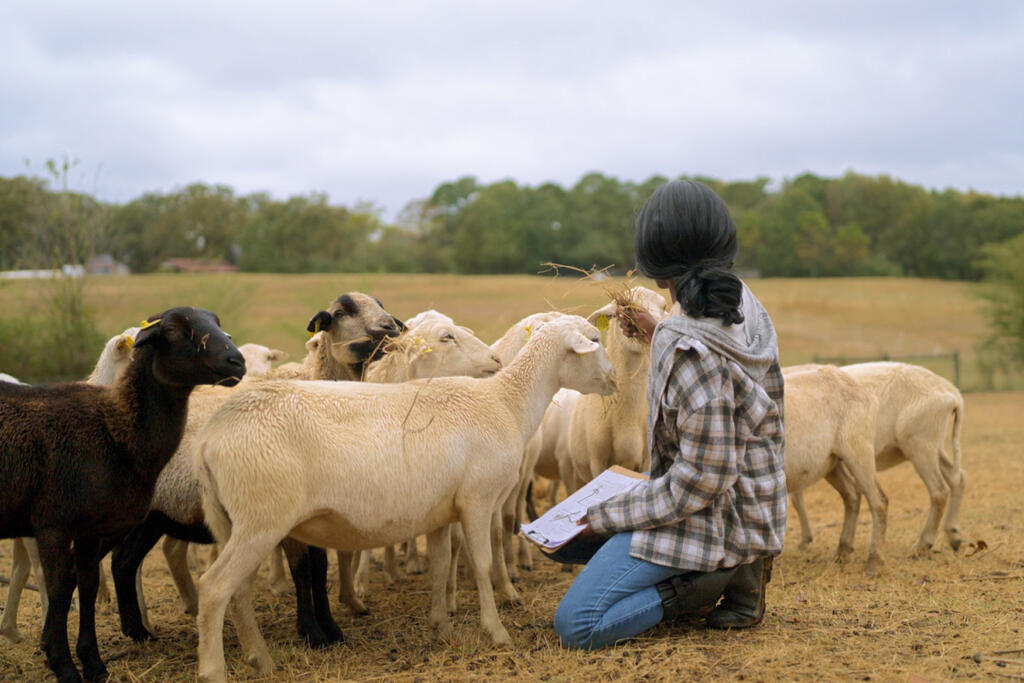
Jean and her cohort were selected to present the solutions they developed for the farm in Washington, D.C. The experience gave the students a chance to develop vital, durable skills they can apply to whatever career they choose.
“It gave her a platform for her to present herself,” said Takiya Jean, Taylor’s mom. “I think that this experience has given her the opportunity to step into that light of leadership and growth. It made her more aware of who she is and what she wants to be.”
No matter the career path each student ultimately pursues, EPIC gives them the opportunity to discover aptitudes, build skills, and hone their interests outside the classroom.
“It definitely solidified my choice to do animal science as a major and being able to see hands-on the life on a farm and what comes with it,” Taylor said. “It was like, ‘OK, this is something I could see myself doing. I would love to do this.’”
EPIC is supported by Stand Together Trust, which provides funding and strategic capabilities to innovators, scholars, and social entrepreneurs to develop new and better ways to tackle America’s biggest problems.
Learn more about Stand Together's education efforts and explore ways you can partner with us.

Virginia Walden Ford’s fight for her son helped change the education landscape.

This is what a new era of educational transformation could look like.

In a time when people feel polarized, this platform teaches students to disagree constructively.

The Alabama all-boys academy boasts a 100% graduation rate and a culture that values each student.